Shinagawa · Tokyo Rent Desk
Shinagawa
Gotanda, Osaki, Tennozu. Corporate central living with 15-minute Haneda access.
Looking for a rental in Shinagawa? Tell us your conditions and Tokyo Rent Desk will curate options across the market.
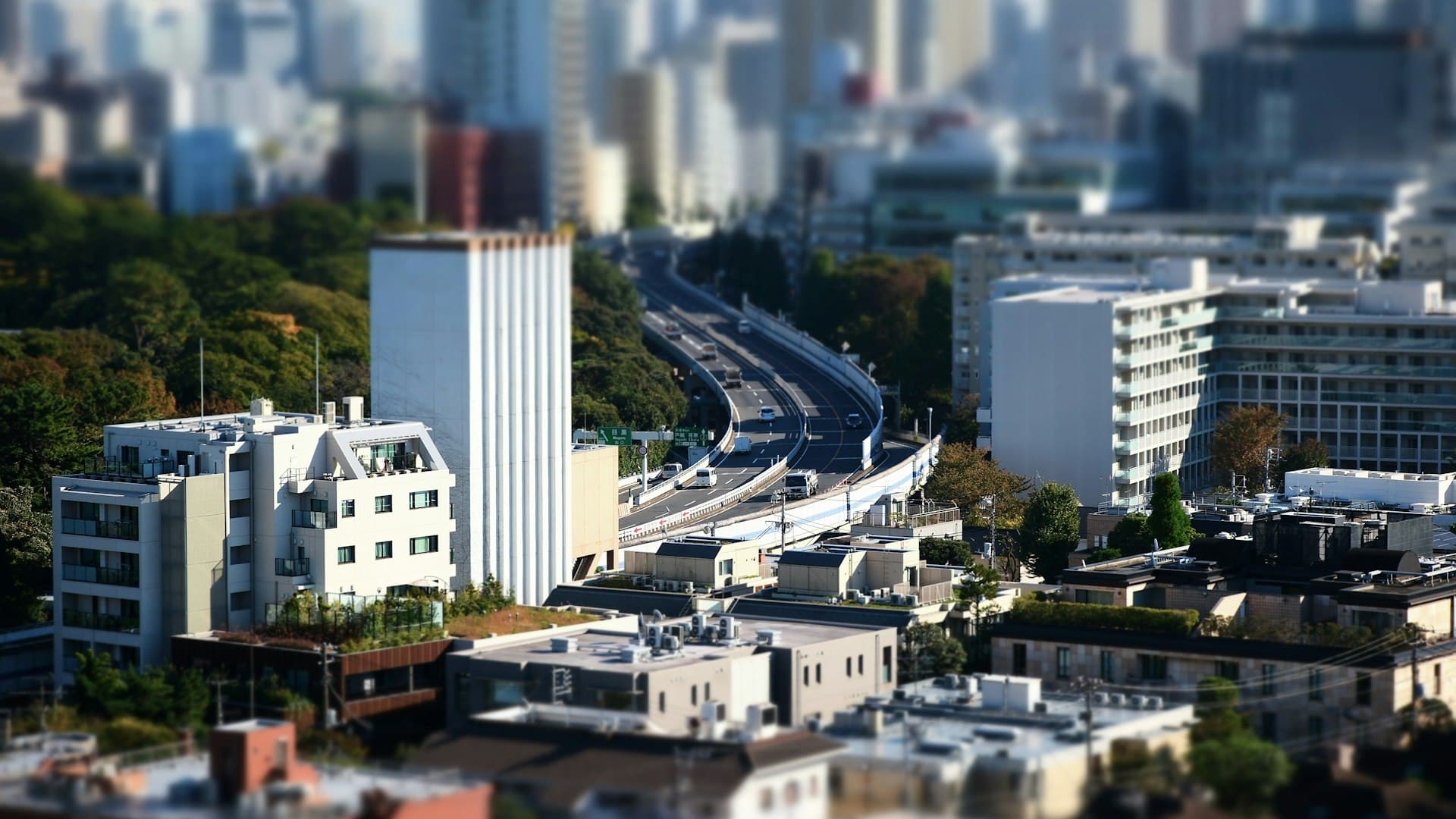
Shinagawa carries two faces at once. The northern half along the Shinagawa station, Osaki, and Gotanda corridor is one of central Tokyo's strongest corporate addresses, with major international employers (Microsoft Japan, Sony, JR East, NTT) and the 15-minute Keikyu connection to Haneda Airport that no other ward can match. The southern half toward Magome and Hatanodai is quieter residential, with broader floor plans than the corporate north can offer at similar rent. For renters whose work involves regular international travel or sits along the corporate corridor, Shinagawa's mobility advantage is hard to replicate elsewhere.
Where it sits
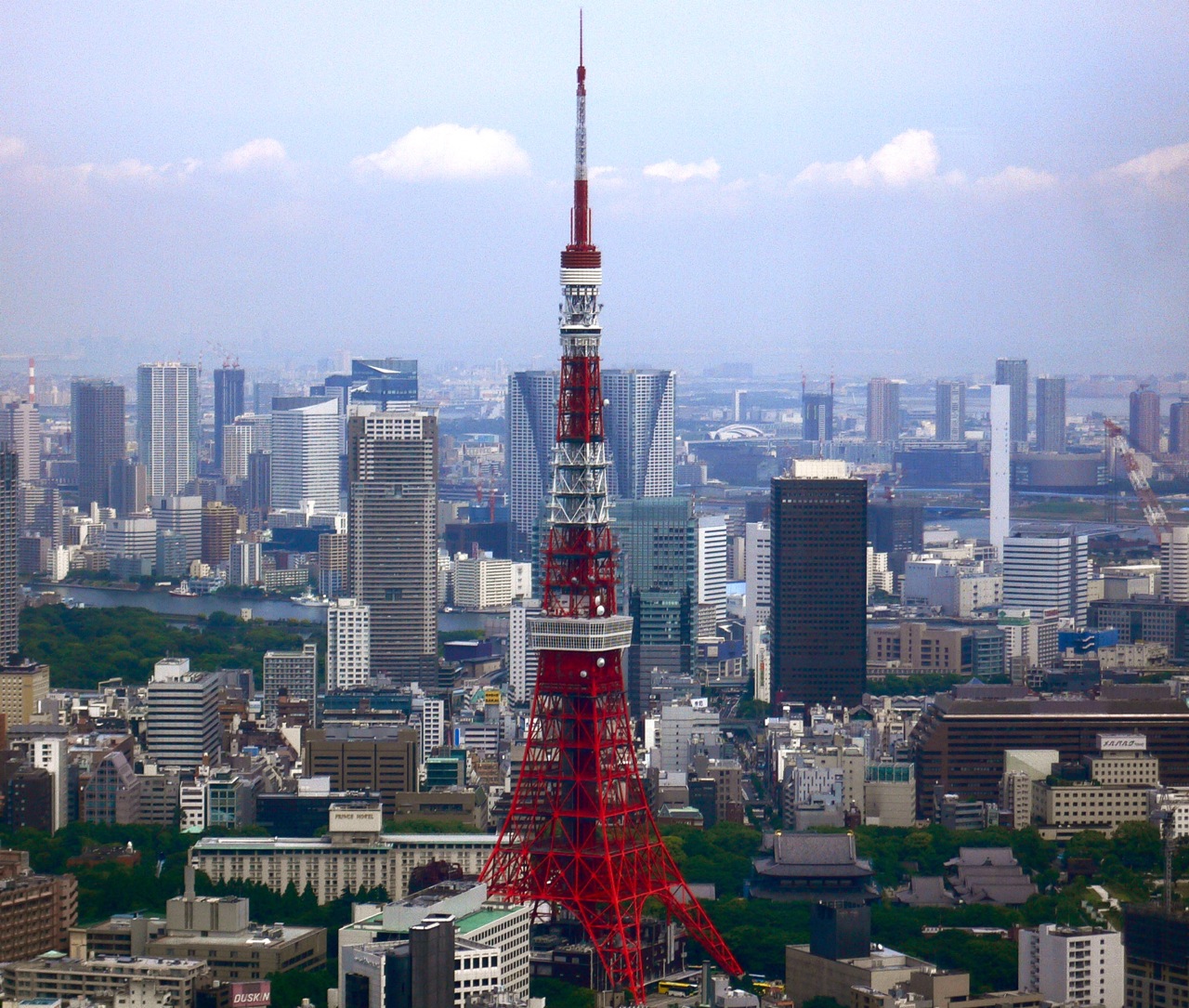
Shinagawa ward sits south of Minato, with Tokyo Bay on its eastern edge and the Tama river not far to the south. The northern half carries the corporate corridor: Shinagawa station (technically in Minato but defining the surrounding area), Osaki, Gotanda, Higashi-Shinagawa, and the Tennozu canal-front district. The southern half (Oimachi, Magome, Hatanodai) is quieter residential.
For TRD's price band, the Gotanda-Osaki-Shinagawa-Tennozu belt carries the largest inventory of mid-to-high-end mansion supply, including substantial tower-mansion stock that newer corporate-relocating renters often look for.
Daily texture
The northern Shinagawa daily texture is corporate-adjacent: lunch dining caters to office workers, hotel infrastructure is unusually dense around Shinagawa station (Prince Hotel complex, Marriott, Strings InterContinental), and the canal-front Tennozu Isle area offers walking and dining along the water.
The southern Shinagawa texture shifts toward neighbourhood: Oimachi has a strong izakaya and small-restaurant scene along the lanes off the main street, and Magome and Hatanodai feel residential and quiet. Ohi Pier on the bay-side adds park and waterside greenery.
Trains and access
Shinagawa station alone serves JR Yamanote, JR Tokaido and Yokosuka lines, the Tokaido shinkansen, the Sanyo shinkansen, and the Keikyu Main line for the 15-minute Haneda connection. Osaki adds Yamanote, Saikyo, Shonan-Shinjuku, and Rinkai lines. Gotanda adds Yamanote and Toei Asakusa. Tennozu sits on the Rinkai and Tokyo Monorail lines.
From most northern Shinagawa addresses, Marunouchi is reachable in about 15 minutes, Shibuya in about 12, Roppongi in about 15. The Haneda connection is the genuinely differentiated advantage: 15 minutes by Keikyu from Shinagawa station, no transfer.
Who lives here, and what to weigh
International executives at the corporate-corridor employers, professionals who travel internationally several times a month, finance and consulting staff, and a substantial Japanese demographic that has lived along the Yamanote line for decades. The northern corporate belt and the southern residential belt attract slightly different profiles.
Trade-offs: the character is mixed rather than singular. Shinagawa station area itself is corporate and transit-heavy, not residential in feel. The strongest residential addresses tend to be a few minutes' walk back from the main stations. Late-night dining options thin out earlier than in Roppongi or Shibuya.
Other wards
Browse another central ward.
- Minato
Roppongi, Azabu, Shirokane. The international lifestyle core of Tokyo.
- Shibuya
Daikanyama, Ebisu, Harajuku. Central, creative, cosmopolitan living.
- Shinjuku
Kagurazaka, Yotsuya, Shinjuku Gyoen. Where work and home converge.
- Meguro
Nakameguro, Jiyugaoka, Komaba. Refined residential streets and quality daily life.
- Setagaya
Sangenjaya, Shimokitazawa, Futako-Tamagawa. Generous layouts and rich neighborhood character.
- Chiyoda
Bancho, Kojimachi, Marunouchi. Top-tier addresses overlooking the Imperial Palace.
- Bunkyo
Hongo, Koishikawa, Hakusan. Academic, serene, family-friendly.
- Chuo
Ginza, Tsukishima, Nihonbashi. Heritage and urban poise.
Searching for a Shinagawa rental?
Tell us your conditions and we'll search the entire Shinagawa market on your behalf, presenting only the options that fit.